
The Multi-Thousand Dollar Blind Spot in Your Dental Marketing
You invest thousands of dollars every month into SEO, Google Ads, and social media campaigns with one goal: to make the phone ring. But what happens when those campaigns succeed, the phone rings, and nobody is there to answer it?
In the highly competitive US dental market, your phone answer rate is the most critical—yet frequently overlooked—metric in practice growth. If you are pouring budget into marketing but struggling to see the patient volume to match, the problem likely isn’t your ad copy. It’s your front desk’s bandwidth.
Here is a breakdown of how unanswered calls silently sabotage your marketing ROI, the real numbers behind patient caller behavior, and how you can permanently close the gap between marketing spend and booked appointments.
The Illusion of Marketing Lead Generation
Whether you run direct mailers for dental implants or PPC campaigns for emergency extractions, your marketing has one primary job: driving inbound calls. While online booking is a nice convenience, high-value patients still want to speak to a human before committing to treatment.
The disconnect happens in the reporting. Most practices evaluate their marketing success by looking at impressions, clicks, and total call volume. If your agency reports 200 calls generated this month, it feels like a win.
But how many of those 200 calls actually resulted in a conversation?
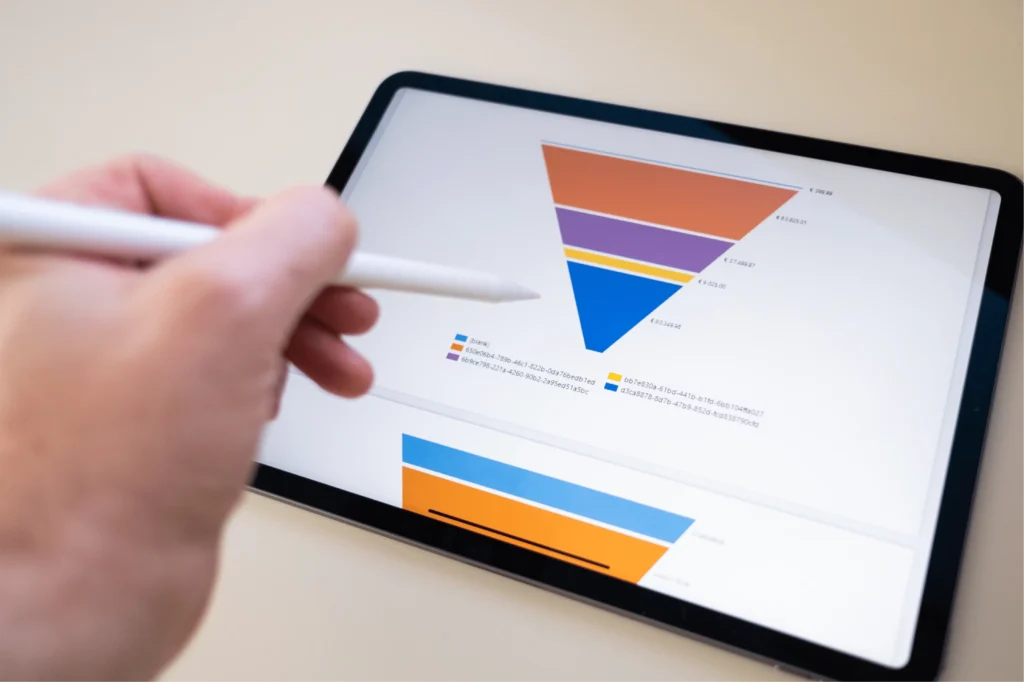
If your team answered 130 calls and missed 70, your marketing didn’t generate 200 leads—it generated 130. The remaining 70 were just expensive noise. Phone calls account for over 60% of new patient inquiries at the average dental practice, yet most marketing dashboards completely ignore whether those calls were answered.
What the Data Says About Missed Calls
The numbers across the dental industry paint a consistent, alarming picture. It is not just your practice; it is a systemic issue.
This means that if your practice receives 50 calls a day, between 16 and 19 of them are hitting voicemail every single day—and that is during regular business hours.
What Happens When a Patient Hitting Voicemail?
The behavior of a prospective patient who reaches voicemail is stark. According to industry benchmarks:
87% of new patients sent to voicemail never call back.
Only 14% will bother leaving a message.
67% of patients will simply hang up and immediately call a competitor.
That isn’t a slow leak; it’s a fire hose of potential revenue pointed directly at the practice down the street, funded entirely by your own marketing budget.
Key Insight: When your marketing dashboard shows high spend but low booked appointments, you don’t have a lead generation problem. You have a lead capture problem.
Calculating the True Cost of Silence
To understand the real impact, we have to move past percentages and look at actual dollars. Here is how to calculate the wasted spend in your own practice:
Cost Per Call: Divide your monthly marketing spend by total inbound calls.
Missed Call Rate: Multiply your total calls by your missed call percentage.
Wasted Spend: Multiply the missed calls by your cost per call.
That is $16,800 a year spent buying phone rings that nobody answered.
And that is just the marketing waste. When you factor in the lifetime value of a dental patient—averaging $800 to $1,200 in the first year alone—those 70 missed calls a month represent a staggering amount of lost revenue.
Why Your Front Desk Can’t Keep Up (And Why It Isn’t Their Fault)
Before pointing fingers at your staff, it is crucial to understand that this is a structural problem, not an effort problem.
A single receptionist can only handle one call at a time. Meanwhile, they are expected to simultaneously check patients in, verify complex insurance breakdowns, collect copays, answer clinical staff questions, and manage a chaotic schedule.
During peak hours (usually 10:00 AM–12:00 PM and 2:00 PM–4:00 PM), call volume spikes right when the front desk is at full capacity. Add in lunch breaks, sick days, and staff turnover, and the result is predictable: phones go unanswered exactly when marketing-generated calls are rolling in.
The Beacon Reception Solution: Closing the Gap
Hiring an additional front desk staff member to cover the overflow is incredibly expensive and still doesn’t solve for simultaneous calls or after-hours inquiries. This is where AI-powered voice technology changes the economics of running a dental practice.
Beacon Reception acts as your flawless, 24/7 AI receptionist. It ensures that your call answer rate goes from the industry average to an absolute 100%.
Zero Missed Calls: No ring-outs, no hold music, and no frustrated patients hanging up.
Seamless Integration: Beacon Reception connects directly with major dental practice management systems (like Dentrix, Open Dental, and Eaglesoft) to handle scheduling automatically.
Always On: It works during lunch breaks, after hours, and on weekends, answering routine questions and capturing every single lead your marketing generates.
For practices already investing in marketing, Beacon Reception isn’t an added expense—it is the ultimate safeguard that makes your existing spend actually work. If you are currently wasting $1,400 a month on unanswered calls, recovering even a fraction of those lost patients pays for the technology many times over.
Stop Funding Your Competitors
When 35% of your inbound calls go to voicemail, and those patients immediately dial a competitor, you are effectively subsidizing their practice growth. You paid for the Google Ad. They got the patient.
It’s time to ensure that every dollar you spend driving phone calls results in a live conversation. Partner with Beacon Reception to capture every lead, book more appointments, and finally see the true ROI of your marketing efforts.
Our Latest Post
Lorem ipsum dolor sit amet, consectetur adipiscing elit ut elit tellus, luctus nec ullamcorper mattis.
How Concurrent AI Call Handling Saves Your Dental Front Desk

How AI Dental Receptionist Secures High-Value Appointments


2 Responses