
How Virtual Assistants Can Streamline Your Workflow
Every time a front desk phone rings unanswered, a prospective patient hangs up and dials the competition down the street. That 30-second window represents an immediate loss of $250–$350 in first-visit production and over $10,000 in long-term patient value.
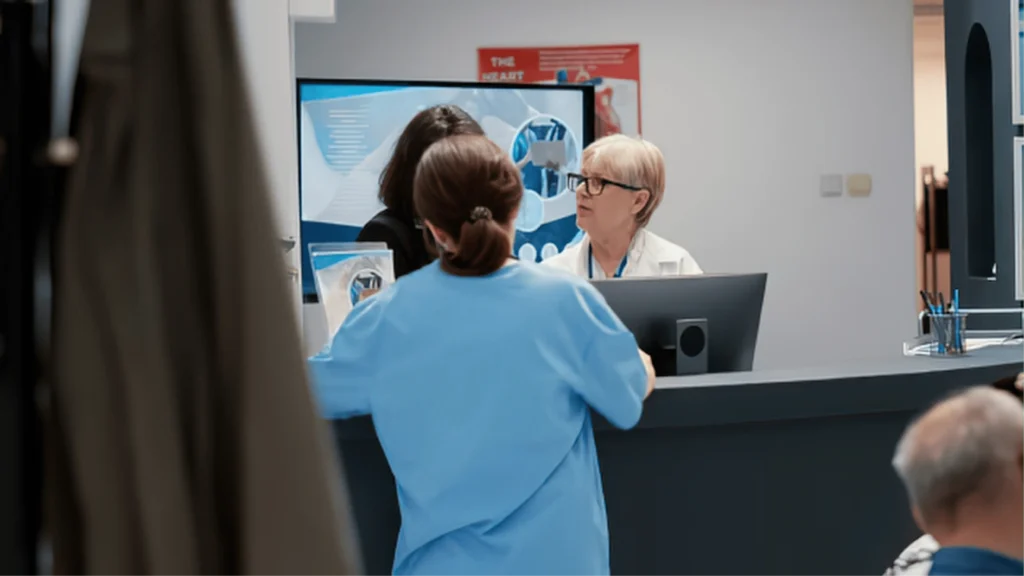
Because front desk teams constantly balance check-ins, insurance verification, treatment plan walk-throughs, and checkout, incoming calls routinely fall through the cracks. This guide provides the precise economic breakdown, industry benchmarks, and a calculation framework to help practice owners measure and eliminate missed-call revenue leakage.
Key Takeaways & Benchmarks
Average Missed-Call Rate: Dental practices miss 32% to 38% of inbound calls during normal business hours.
Voicemail Abandonment: 86% of new prospective patients hang up without leaving a voicemail when unanswered; only 14% leave a message.
Immediate Financial Impact: A single missed new-patient call costs $250–$350 in initial appointment revenue.
Lifetime Value (LTV) Loss: Missing an average of 42 new patient appointments per month creates an annual loss of over $151,000 in immediate production and $420,000+ in long-term equity.
Primary Solution: Deploying hybrid call routing and AI-powered answering ensures zero unanswered calls, 24/7/365 scheduling, and direct Practice Management System (PMS) integration.
Why Dental Offices Miss 1 in 3 Inbound Calls
High missed-call volumes are rarely caused by poor employee performance. Instead, they stem from structural operational bottlenecks. Front-desk personnel manage high-touch, in-person patient interactions while simultaneously attempting to manage multi-line phone systems.
The highest call abandonment rates occur during predictable operational spikes:
Monday Morning Waves: Weekend emergency requests, rescheduling needs, and new patient queries converge within the first two hours of the week.
Midday Staffing Reductions: Call volume remains steady during lunch hours (12:00 PM – 2:00 PM), precisely when front-desk coverage is reduced.
Hold-Time Abandonment: Callers placed on hold for longer than 60 seconds show a sharp drop-out rate, converting an answered call into a lost opportunity.
After-Hours Search Windows: A substantial volume of high-value cosmetic and new-patient searches occur during evenings and weekends when the physical office is closed.

Annual Revenue Loss by Practice Size
As a leading provider of ai receptionist for dentist we analyzed, financial loss scales exponentially with total call volume and practice footprint. Below is a concise comparative breakdown across practice tiers:
Compounding Costs: The Lifetime Value (LTV) Multiplier
Focusing exclusively on first-visit production understates the true economic loss of an unanswered call. The long-term financial health of a dental practice relies on recurring recall hygiene visits, restorative treatments, elective cosmetic work, and word-of-mouth referrals.
When a prospective patient reaches voicemail and calls a competitor, the practice loses:
Immediate Initial Production: $250 to $350.
Base Lifetime Value: $10,000 to $22,000 in clinical production over the patient’s tenure.
Secondary Referral Production: The average satisfied patient refers 2 to 3 family members or colleagues, multiplying the initial acquisition loss.
Strategies to Eliminate Missed-Call Revenue Leakage
Recovering lost revenue requires closing operational coverage gaps without overburdening existing personnel.
1. Intelligent AI Answering & Immediate PMS Scheduling
Modern AI call handling eliminates reliance on traditional voicemail. Automated systems pick up calls on the first ring, handle complex patient questions, and write directly into practice management software (PMS) in real time.
Deploying automated answering ensures:
Zero Hold Times: Instant response during peak hours, lunch breaks, and after-hours windows.
Direct Integration: Real-time scheduling directly into systems like Dentrix, Open Dental, and Eaglesoft.
Multilingual Capability: Natural communication across multiple languages to capture broader demographic markets.
2. Conversational Conversion Training
For calls managed by human staff, increasing the conversion rate from 50% to 75% on 84 new-patient calls generates 21 additional booked appointments per month. Implementing structured intake scripts, call auditing, and value-based scheduling protocols increases front-desk conversion performance.
3. Smart Overflow Routing
Setting up automated overflow rules redirects callers to secondary lines or virtual intake systems whenever the primary lines remain busy for longer than two rings. This eliminates phone bottlenecks during morning rushes and check-in windows.
Bridge the Operational Gap
Unanswered calls represent a major, preventable source of lost revenue in modern dental practices. By applying the calculation formulas provided above, practice leadership can quantify their exact financial exposure and implement solutions to capture every patient opportunity.
To eliminate missed calls and secure your patient pipeline, explore automated front-desk solutions with Beacon Reception.
Our Latest Post
Lorem ipsum dolor sit amet, consectetur adipiscing elit ut elit tellus, luctus nec ullamcorper mattis.
How Concurrent AI Call Handling Saves Your Dental Front Desk

How AI Dental Receptionist Secures High-Value Appointments