
Why Standalone Systems Create More Work For Your Dental Front Desk
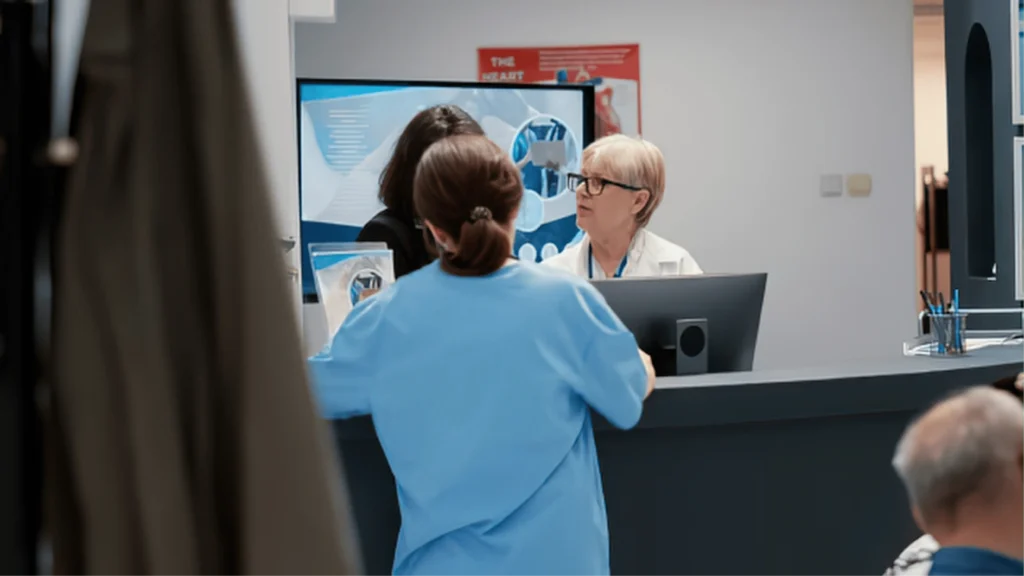
The dental industry is currently experiencing a massive technological renaissance, with artificial intelligence dominating the conversation at every major conference and continuing education seminar. Clinic owners are eagerly adopting automated solutions to modernize their operations, reduce overhead costs, and provide a more seamless experience for their patients. The promise of an automated system that never sleeps, never takes a sick day, and can answer every single patient call on the first ring is undeniably appealing. However, as the initial excitement settles, many practice owners are discovering a frustrating reality hidden beneath the slick marketing promises of generic automation software. They are finding that simply deploying a basic, standalone automated voice system often fails to solve their core administrative problems. In fact, without the right foundational architecture, these disconnected systems frequently create an entirely new set of headaches for the staff. The ultimate success of an AI receptionist does not depend solely on its ability to hold a polite conversation; it hinges entirely on its capacity to communicate flawlessly with the central nervous system of your clinic: your Practice Management Software.
The Hidden Trap of Disconnected Automation
To understand why standalone systems fail, we must first look at the daily reality of a busy dental front desk. When a generic AI tool answers a patient call, it typically gathers the patient’s name, phone number, and a brief description of their problem. Because this basic system cannot securely access your clinical software, it must deliver this collected information to your staff through a secondary channel, usually by sending an email notification, generating a text message, or creating a ticket in a separate web dashboard. This immediately breaks the chain of automation. Your front desk staff now has to monitor a completely separate inbox, read the transcript of the AI’s conversation, manually open Open Dental, Dentrix, or Eaglesoft, search for the patient’s record, and manually input the appointment details. This fragmented workflow defeats the entire purpose of investing in automation technology. Instead of eliminating administrative burdens, a standalone system simply shifts the work from answering a live phone call to performing tedious, delayed data entry. The patient is left waiting for a callback to confirm their slot, and your staff is bogged down playing digital catch-up. Implementing this kind of disjointed technology is a major misstep for any clinic looking to optimize operations, which is why transitioning to advanced dental front desk is critical for long-term scalability.
The Mechanics of True Bi-Directional Integration
A sophisticated AI receptionist operates on an entirely different level by utilizing bi-directional API integration to interact directly with your Practice Management Software in real time. When a patient calls at two in the morning experiencing severe tooth pain, our agent answers the call instantly and immediately queries your live schedule. It does not guess about available time slots or send a generic request to the clinic; it reads the actual, up-to-the-minute availability across all your operatory chairs and providers. If Dr. Smith has an emergency block open at 9:00 AM on Tuesday, the AI receptionist sees it and offers it to the patient. Once the patient agrees, the agent writes the appointment directly into the software database. It automatically links the booking to the correct patient profile, assigns the appropriate production codes for an emergency exam, and blocks out the required chair time without any human intervention whatsoever. When your staff arrives at the clinic the next morning and opens Dentrix or Open Dental, the schedule is already populated with confirmed, properly coded appointments. This seamless data exchange completely eliminates the need for manual transcription, drastically reduces the margin for human error, and ensures that your schedule remains perfectly optimized around the clock.
Mastering Complex Scheduling Constraints
Integrating directly with practice management software allows the AI receptionist to navigate the highly complex scheduling rules that dictate how a profitable dental clinic operates. A dental schedule is not just a simple calendar; it is a carefully balanced grid of provider availability, assistant requirements, and equipment limitations. A generic AI cannot understand that a new patient comprehensive exam requires an entirely different column and time allocation than a brief post-operative check. Our agent, however, is programmed to respect these strict clinical parameters by reading the custom rules established within your software. It knows exactly which columns are designated for hygiene production versus doctor production. It understands staggered scheduling, double-booking restrictions, and block-scheduling preferences. By strictly adhering to these internal constraints, it ensures that your schedule is not just full, but strategically organized to maximize clinical efficiency and daily production goals. This level of intelligent scheduling helps eliminate the chaotic, bottlenecked days that lead to staff burnout, perfectly complementing your broader strategies for eliminating front desk fatigue. The AI acts as a digital gatekeeper, protecting the integrity of the provider’s day while still providing immediate, frictionless service to the caller.
Navigating Patient Verification and Insurance Workflows
The true power of a deeply integrated AI receptionist extends beyond simply placing a name on a calendar; it fundamentally transforms the patient intake and verification process. One of the most time-consuming tasks for any dental front office is collecting demographic information, verifying insurance eligibility, and securing benefit breakdowns before the patient ever sits in the chair. When an integrated agent handles a new patient call, it can instantly collect vital insurance details and cross-reference them with the existing database. Because it is actively communicating with your practice management software, it can trigger automated eligibility checks and update the patient’s ledger with accurate coverage information. This eliminates the need for your staff to spend countless hours waiting on hold with insurance representatives or navigating clunky payer portals. The agent securely processes the data, links the insurance carrier to the specific appointment, and flags any discrepancies for the billing coordinator long before the patient arrives for their visit. This proactive approach to insurance verification ensures that treatment plans can be presented accurately and collections can be handled efficiently, safeguarding the financial health of the practice.
Identifying the Right AI Solution for Your Clinic
When identifying the right automated dental reception system for your practice operations, you must first verify that the platform offers native API connections directly to your specific practice management software rather than relying on clunky third-party screen-scraping workarounds. Next, you must rigorously evaluate its bi-directional syncing capabilities to ensure it can both read live schedule availability and write confirmed appointments back into the database instantaneously without creating duplicate patient files. Finally, it is absolutely crucial to test the system with complex, real-world patient scenarios to confirm it successfully handles dynamic scheduling constraints, specific provider working hours, and advanced insurance data collection without ever requiring manual oversight from your human staff. At beacon reception you receive all of the above feature tailored according to your needs in a perfect way.
The Future of Dental Practice Operations
The era of fragmented software and manual data entry is rapidly coming to an end. Dental practices that attempt to piece together disconnected technological tools will find themselves consistently outpaced by competitors who have invested in unified, seamlessly integrated systems. The goal of implementing artificial intelligence is not to simply add another piece of software to your front desk’s daily checklist; the goal is to fundamentally reduce their workload so they can focus on high-value tasks like case presentation and in-person patient care. An AI receptionist that lives directly within your Practice Management Software is no longer a luxury; it is a baseline requirement for any clinic attempting to scale in today’s highly competitive market. By ensuring your automated systems communicate effortlessly with your core clinical software, you create a robust, error-free operational infrastructure that drives continuous new patient conversion and secures the long-term profitability of your practice.
Our Latest Post
Lorem ipsum dolor sit amet, consectetur adipiscing elit ut elit tellus, luctus nec ullamcorper mattis.
How Concurrent AI Call Handling Saves Your Dental Front Desk

How AI Dental Receptionist Secures High-Value Appointments